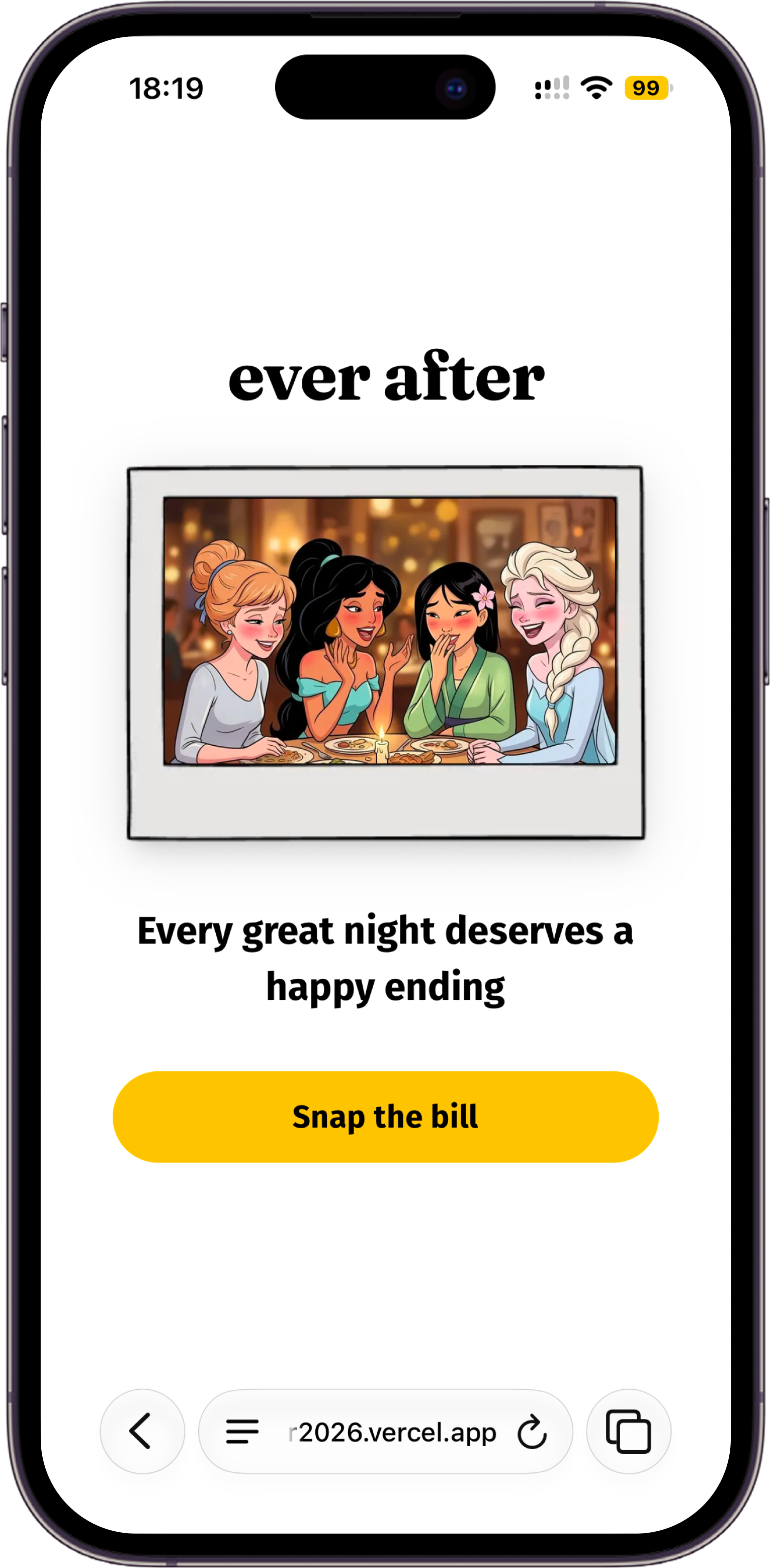
A personal, non-commercial project. Not affiliated with Disney.
- Timeline
- MVP in 3 days, refined over 2 weeks
- Platform
- Mobile-first web app
- My role
- Product Designer & Builder
- Scope
- Concept to production
(The idea)
It started at the dinner table.
Splitting bills with friends always felt unnecessarily complicated. Some people drink, others don’t, and different dishes are shared by different people. I wanted the end of a great evening to be as enjoyable as the rest of it.
(How it works)
From receipt to shared bill
- Snap receipt
- Review if needed
- Share QR code
- Claim dishes
- Split the bill
(Key decisions)
One shared bill
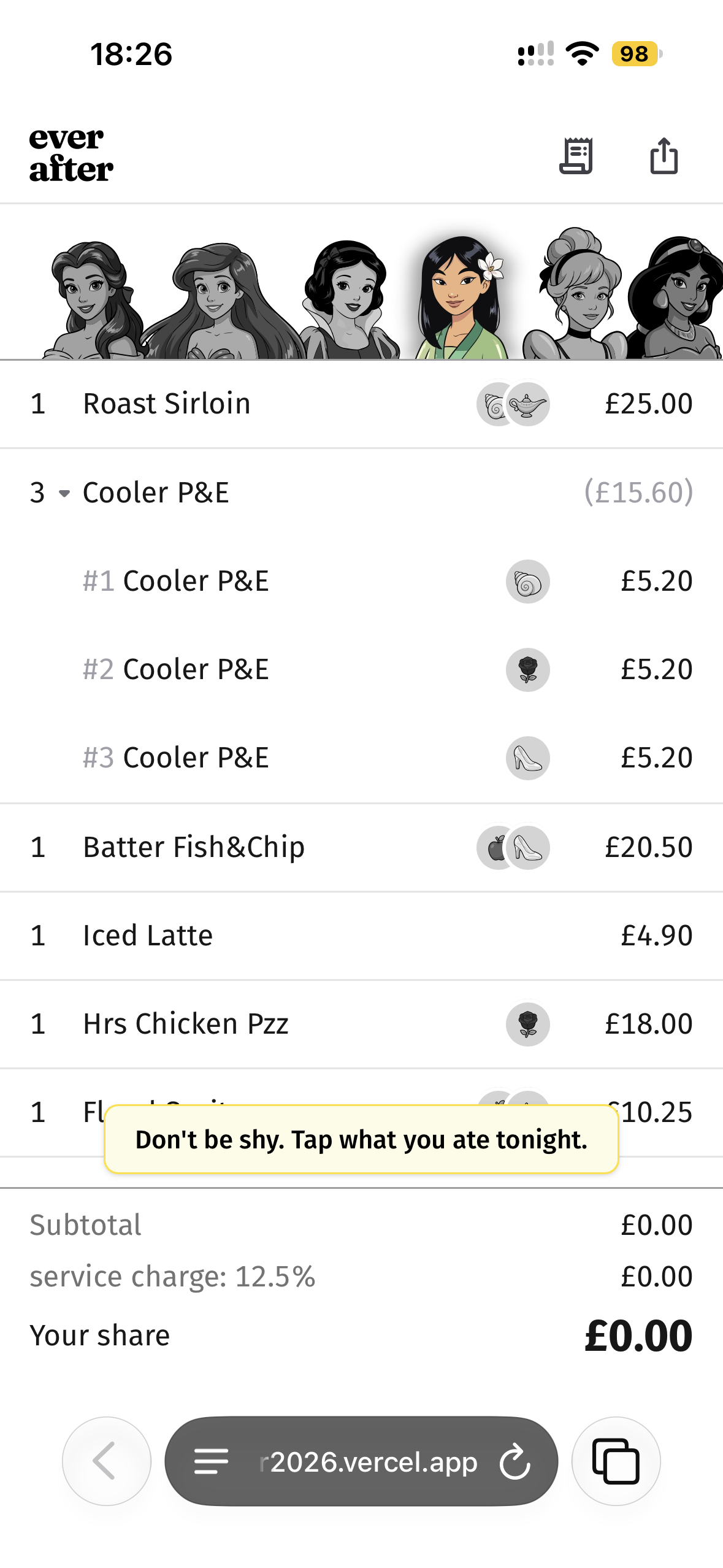
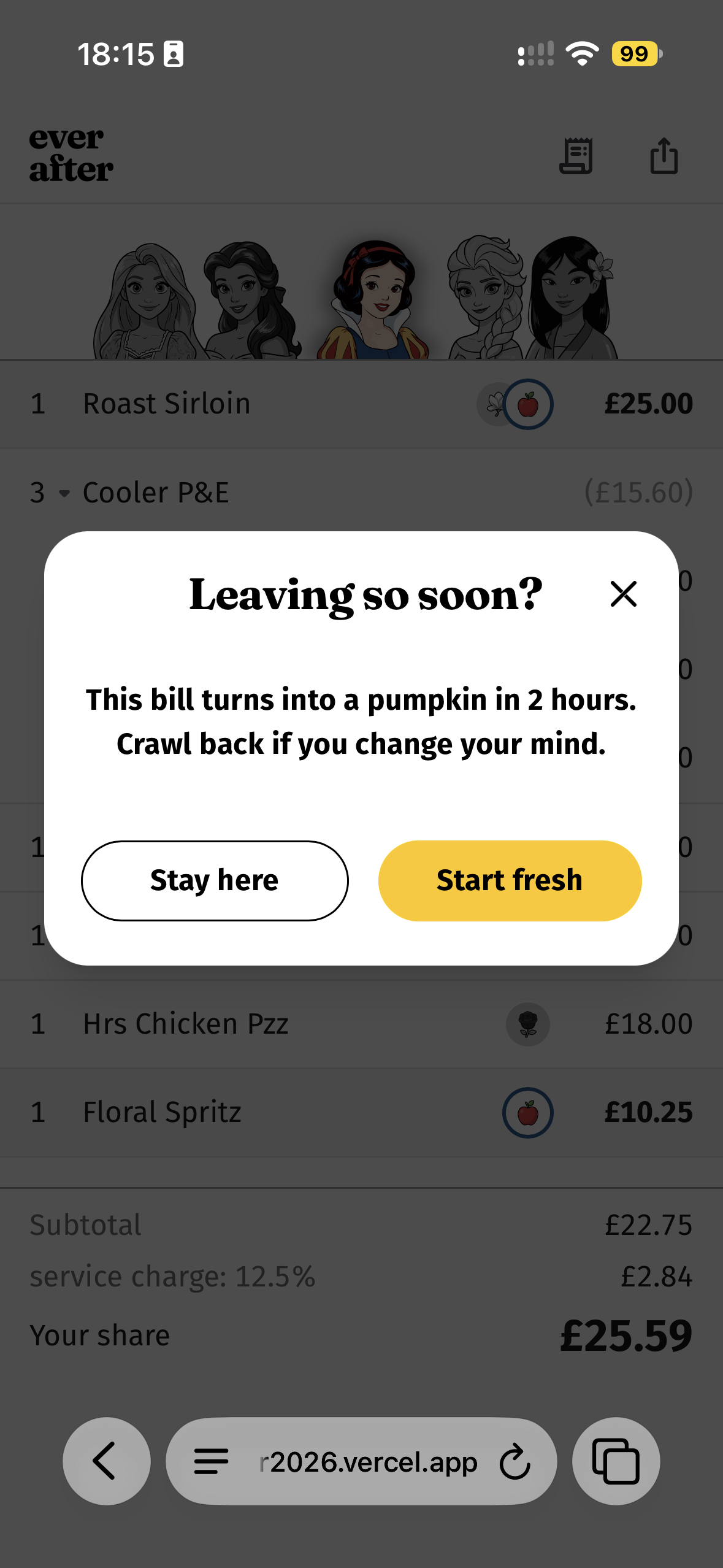
I started by solving my own problem: knowing what I owed. But splitting a bill only works when everyone is on the same page. I made the bill visible to everyone, with live updates.
Designing for how people share
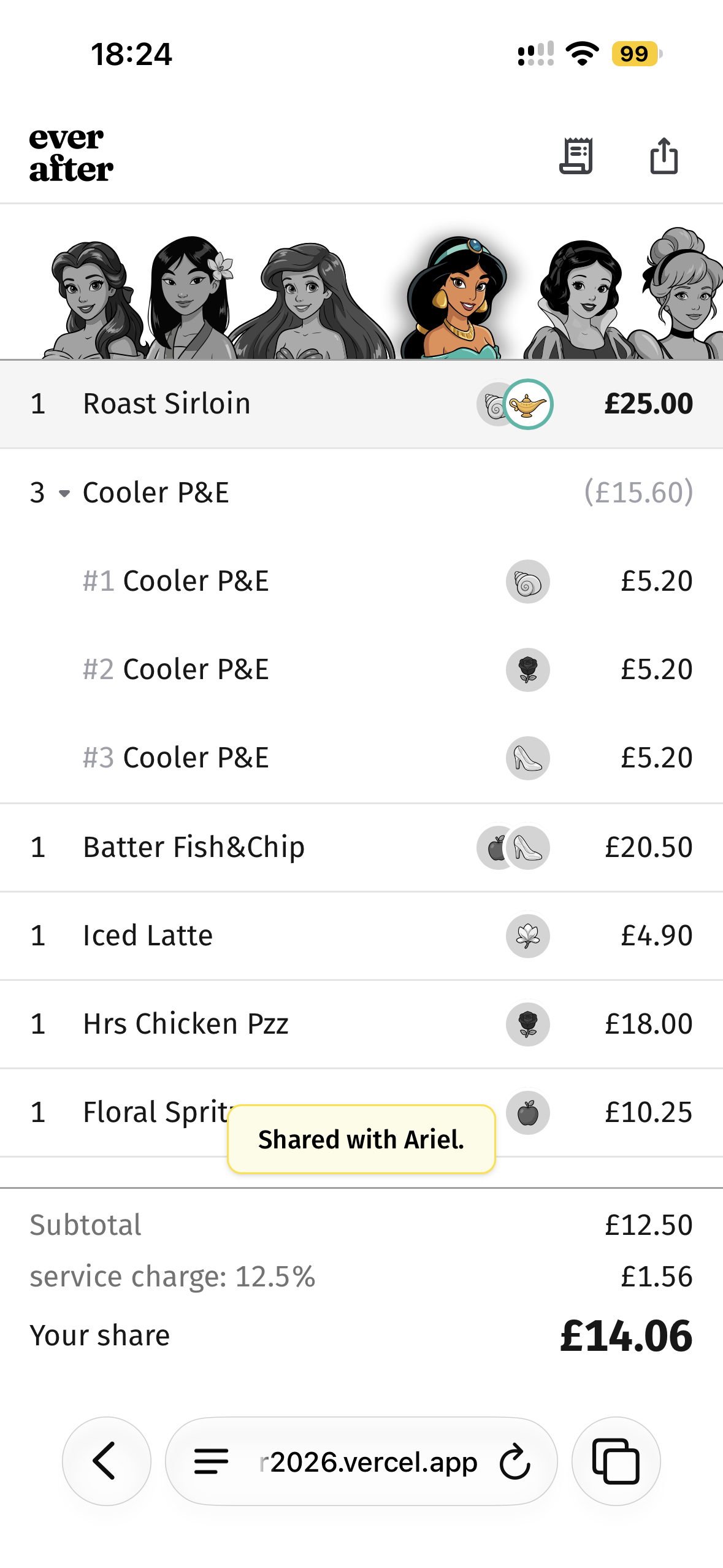
I initially designed the experience around people claiming their own items. But group dining is rarely that simple. Dishes are shared by different people, while couples and families may want to pay together.
I introduced flexible item sharing so multiple people can claim the same dish, with group payments identified as the next step.
One editor, everyone participates
Only the uploader can edit receipt details, while everyone can claim items. This keeps the bill consistent without limiting participation.
AI, with a human check
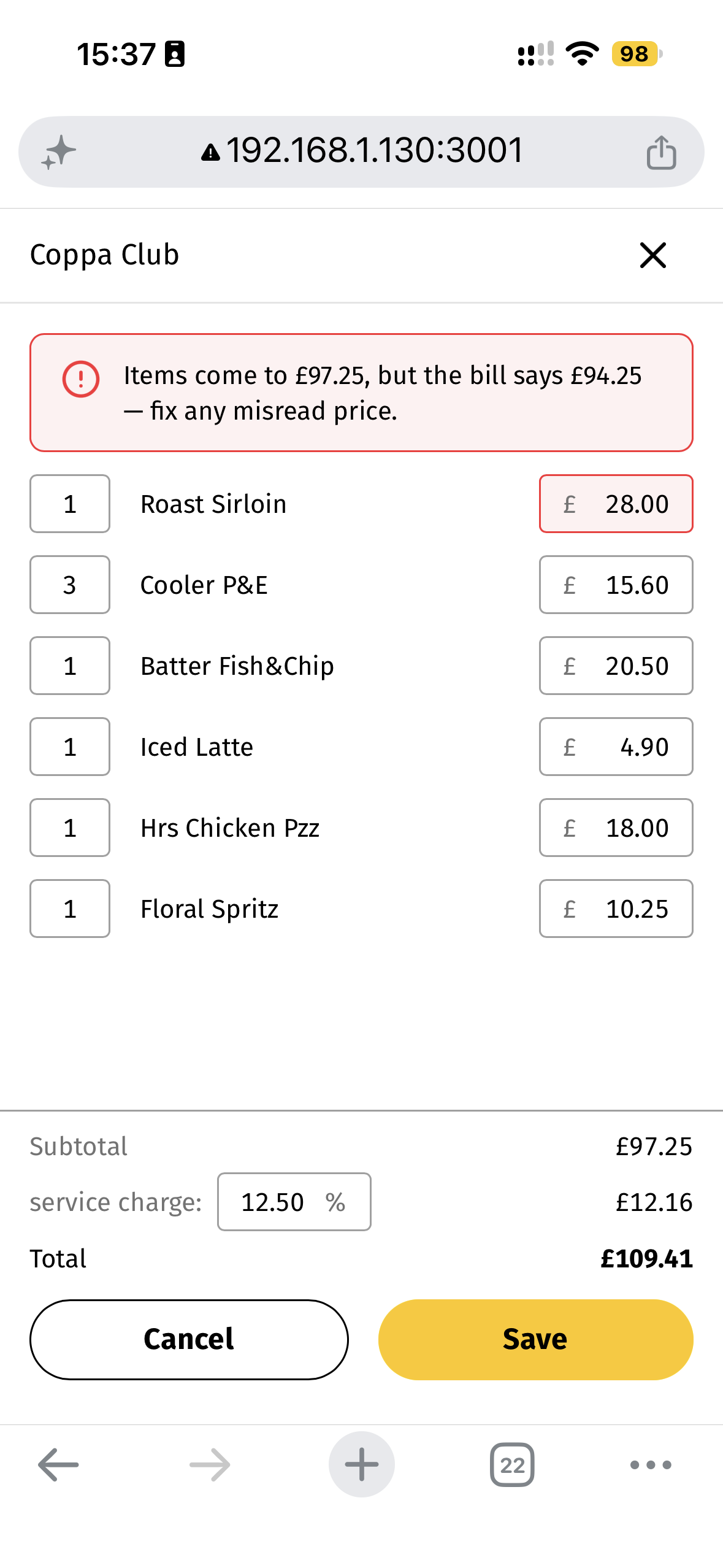
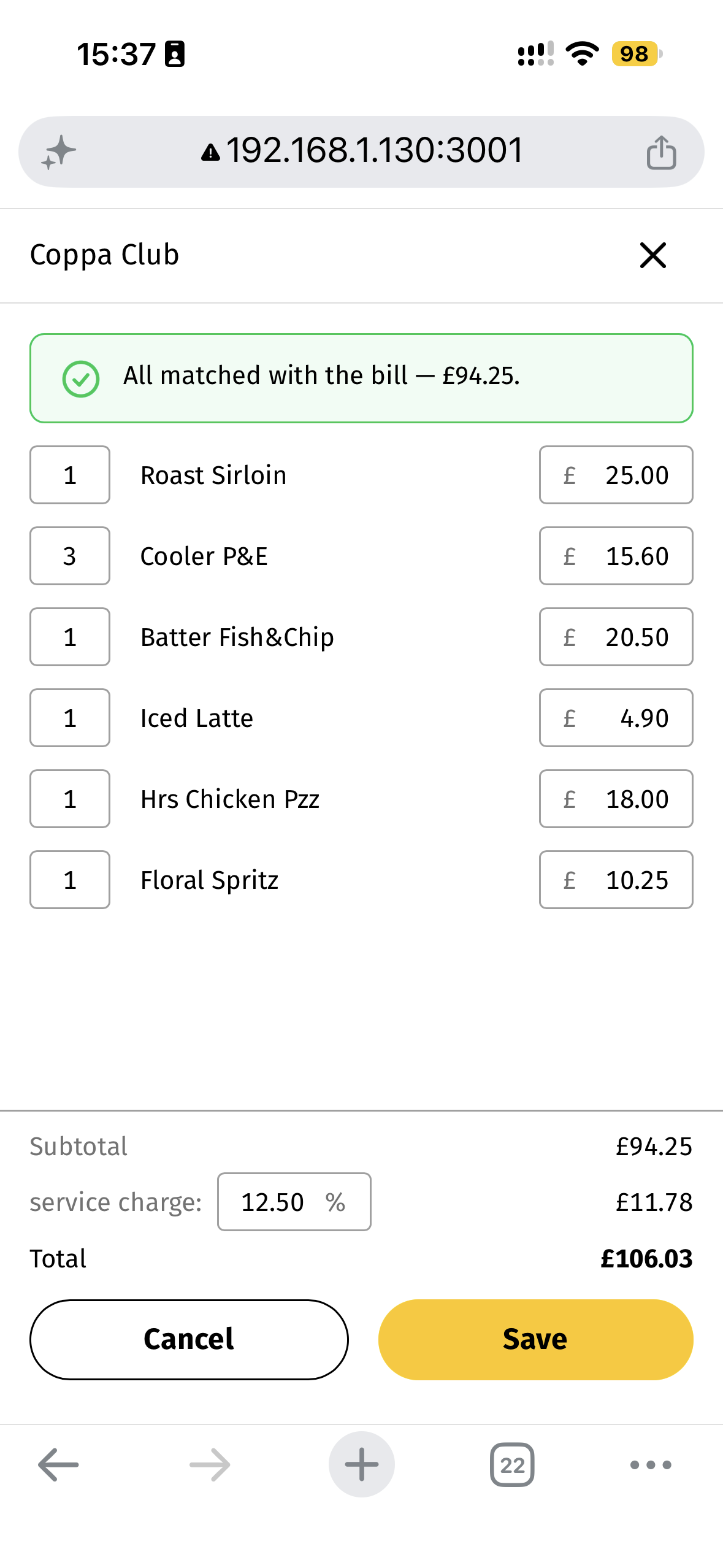
A faded receipt once turned an 18 into a 13. I introduced subtotal validation and a review step to catch AI errors.
Real use revealed unnecessary friction, so review now only appears when AI flags uncertainty, while results remain editable.
Making bill splitting social
As an immigrant, I wanted something everyone at the table could connect over, whatever their background.
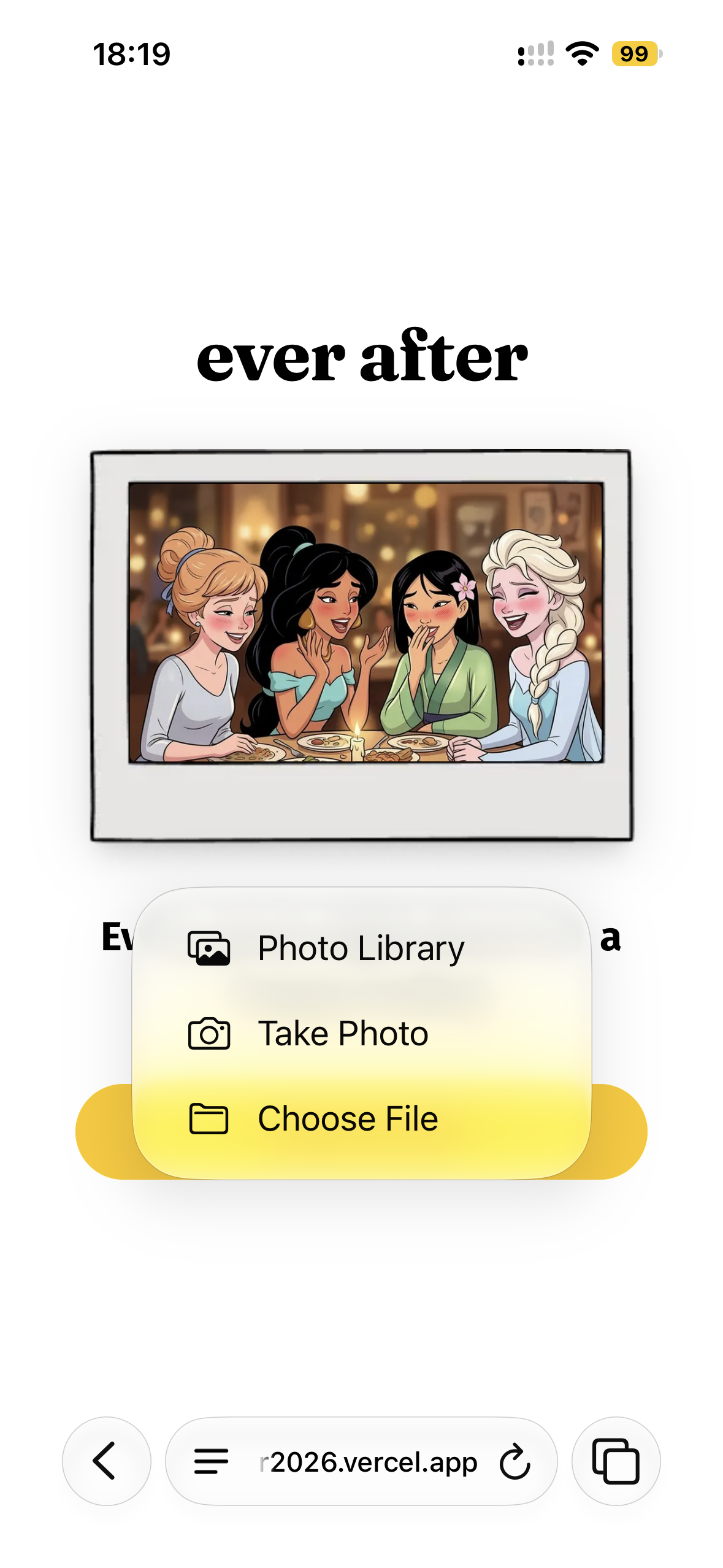
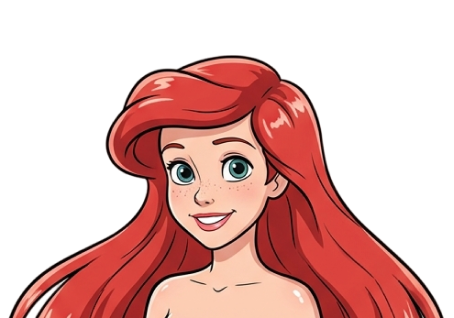
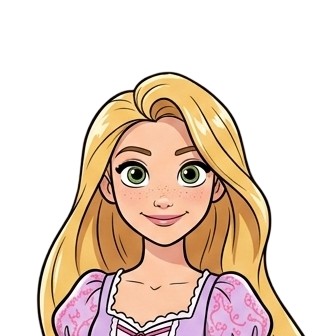
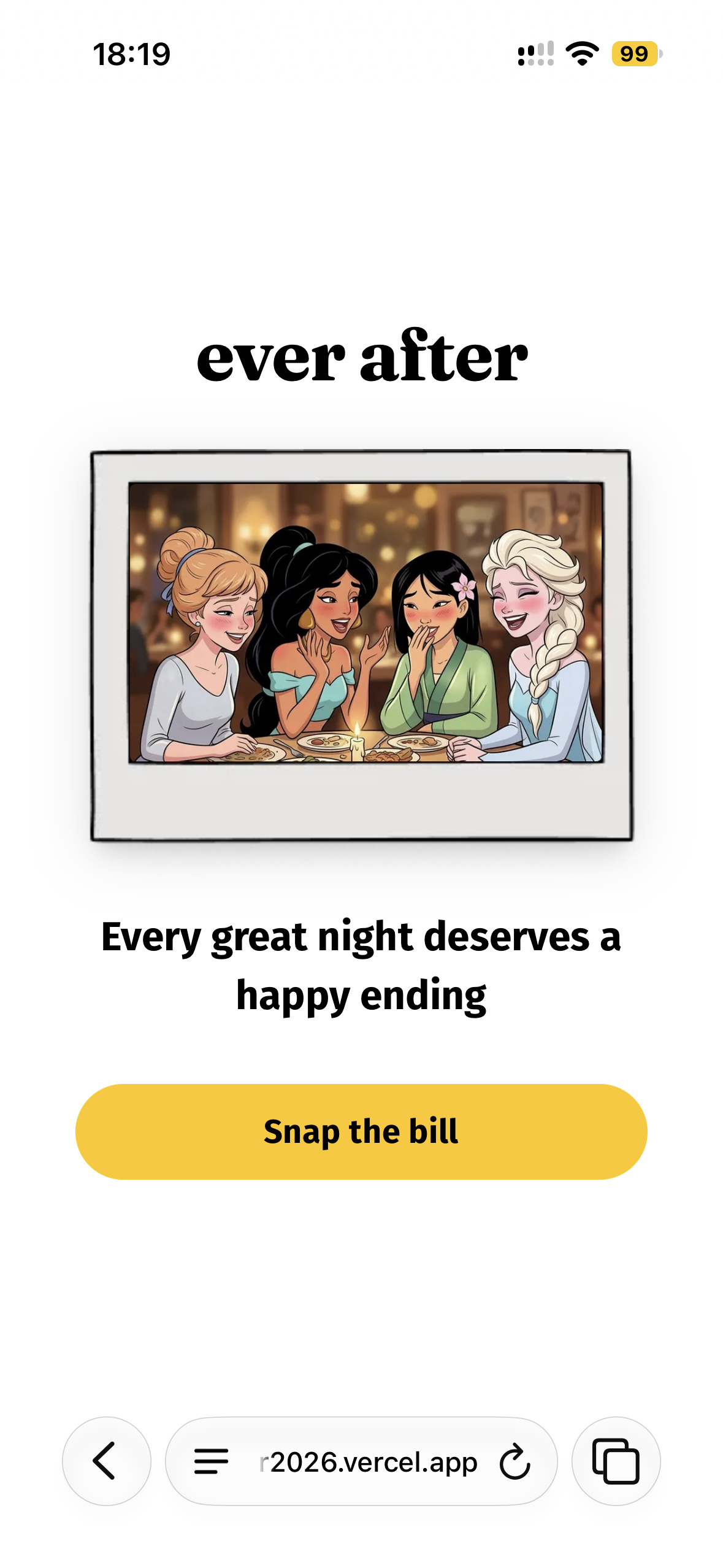
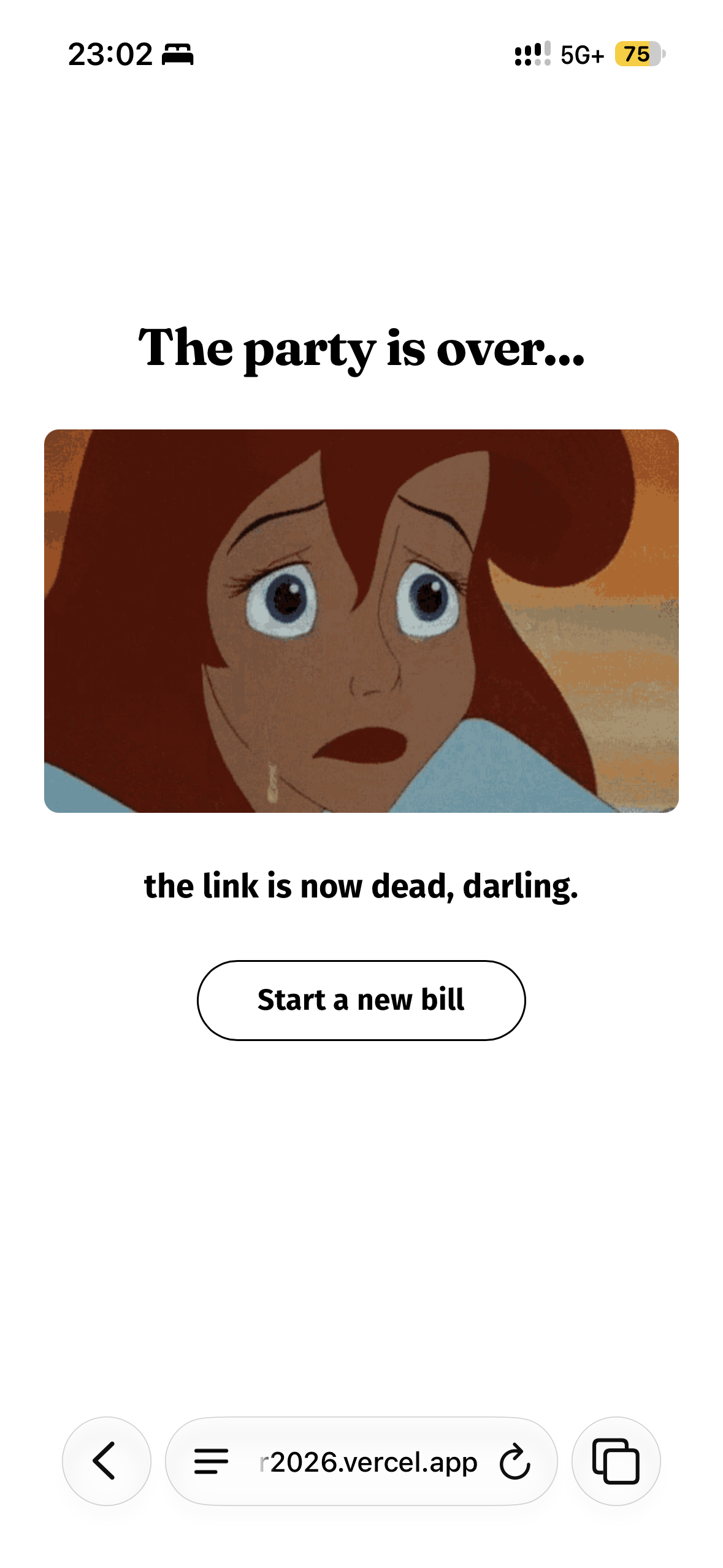
Princess characters became a playful conversation starter, turning a practical task into part of the evening’s fun.
The name Ever After is a nod to fairy-tale endings. After all, even princesses have to split the bill, and every great night deserves a happy ending.














(From concept to impact)
Three days to build, two weeks to refine, and a real product that takes the maths out of group dining.
I partnered with AI to take Ever After from concept to production. Using Claude Code, I turned my product spec and wireframes into a working app, simplifying nine planned screens into two and choosing lightweight polling over a more complex real-time service.
Combining AI-powered receipt extraction with flexible item sharing, Ever After is now in regular use among friends, who can split complex bills independently without manual calculations.
(Looking ahead)
AI changes how fast we can build, not how carefully we need to think.
Knowing what to build, what to simplify and when to keep people in control remains a design responsibility.
The next step is to make the experience more flexible and complete.
- Flag unclaimed items.
- Support couples and families paying together.
- Integrate payments.
- Accommodate larger groups.